Radical - The collaborative SDK for developers
Company: Masters of Pie | Clients: Siemens, British Army(internal)
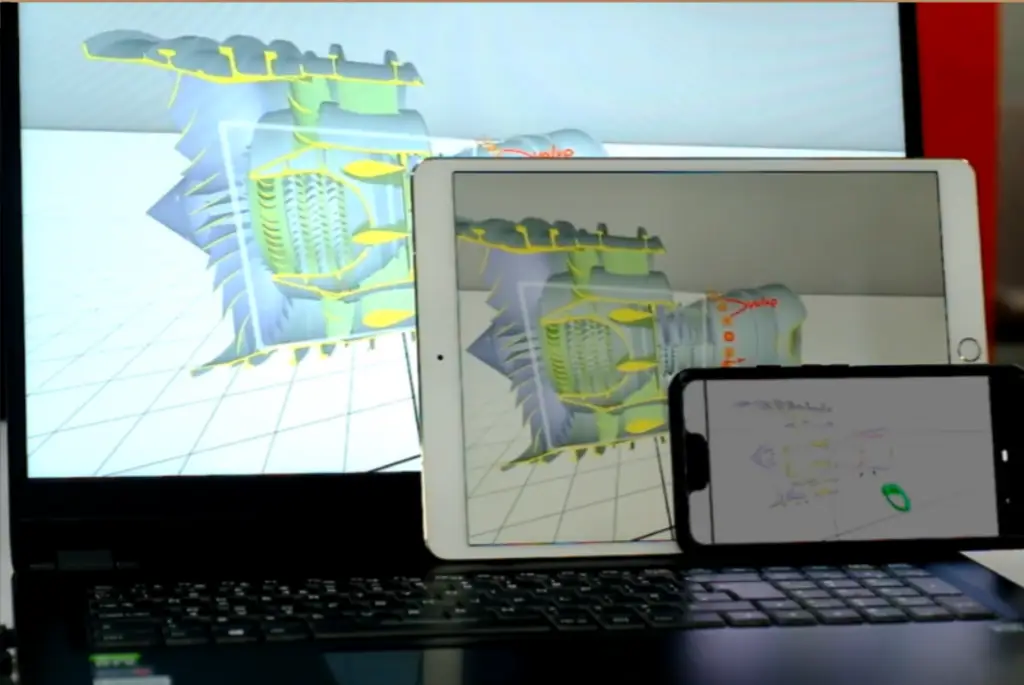
The Radical SDK was designed for developers to easily create collaborative, virtual reality applications. After co-founding the business, I helped raise circa £6m in venture capital to build out a talented team across engineering, design, and product and drive 4 releases of the Radical SDK into Enterprise and Defence markets. The SDK was designed to be deployable into secure enterprise and austere defence environments, which are often bandwidth-constrained with unstable connectivity, and supported a wide range of devices via game engine plugins into Unity.
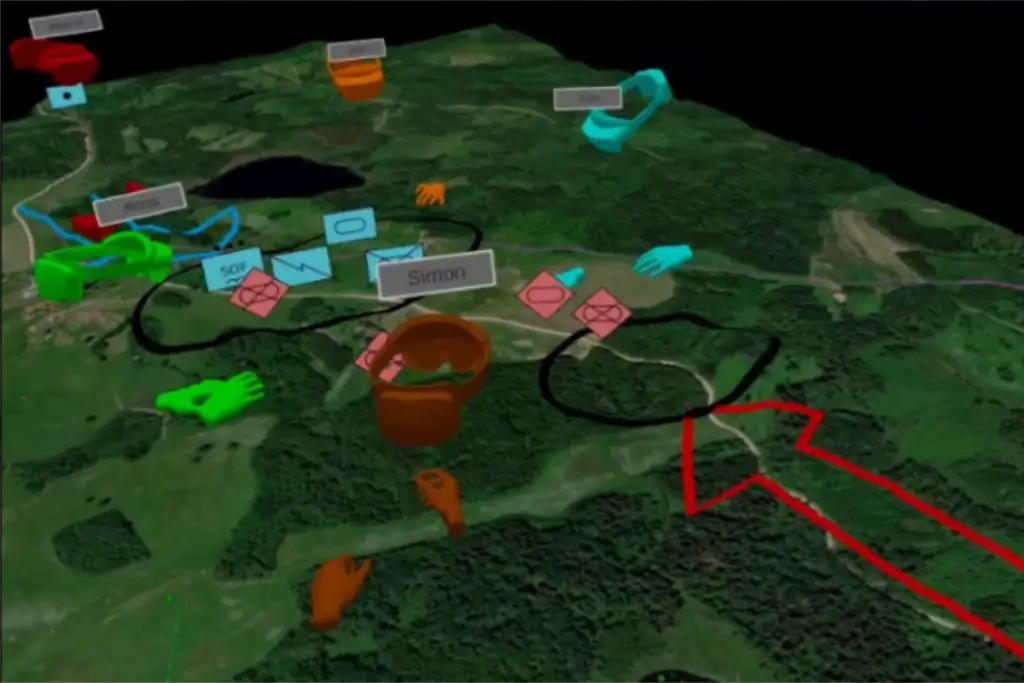
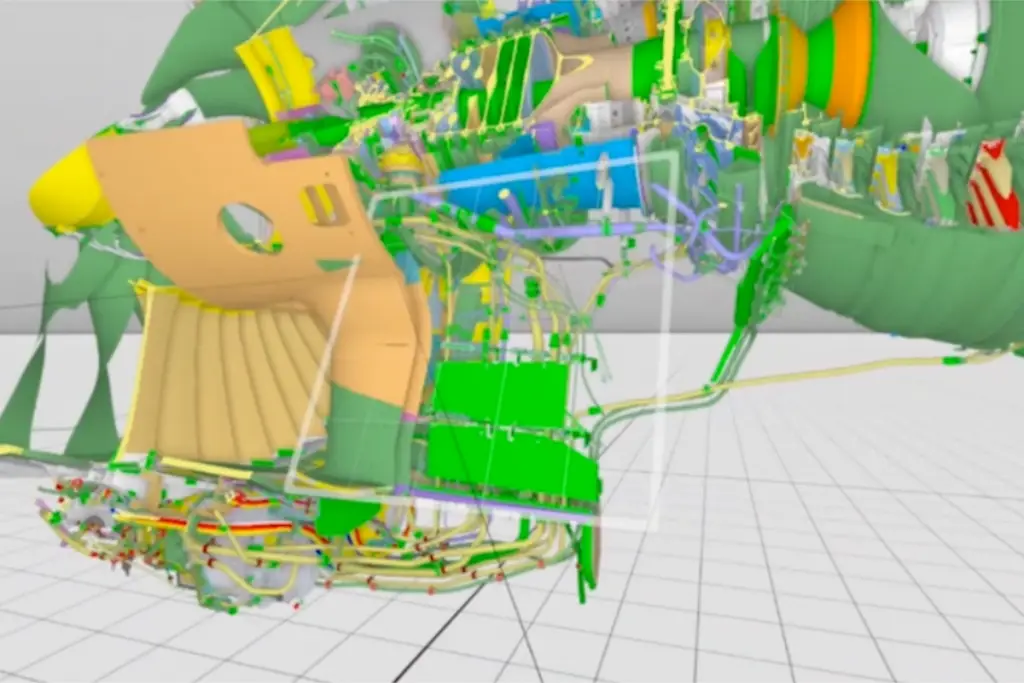
The initial concept of the Radical SDK was born out of a close relationship we had developed with Siemens and some of their largest customers, like Rolls-Royce. This was at a time when we were first experimenting with early virtual reality headsets like the Oculus Development Kit 1 from Kickstarter, back when they were still called Oculus!
What we found was missing was an SDK that could handle 3D real-time data interoperability and data synchronisation across servers and clients. Often, you would have one or the other, not both. This was further cemented by the vision for collaborative virtual reality products that would work within established secure data pipelines.
With the Radical SDK, instead of data being exported out, tools could be built at the data source within secure networks. This way, you could develop collaborative virtual reality applications that were integrated into your pipeline instead of another “data island” that needed to be exported too.
The SDK was written in .NET and C# due to the ease of use and popularity of these technologies, with the core concept being the Radical object model. By utilising this object model, developers could essentially make any data collaborative through minimal code. By synchronising their data in this way, a developer could take full advantage of Radicals’ efficient networking properties for Austere enterprise and defence environments. Instead of spending enormous effort on building a robust networking solution, developers could instead focus on the core features of their applications.
The SDK allowed the easy setup and scaling of virtual “sessions”(think real-time 3D zoom rooms) via on-premise or cloud architectures like AWS or Azure, alongside supporting live data feeds like IOT for manufacturing or NATO unit data in the case of our British Army customers. This was all wrapped up into an easy developer experience with clear documentation, APIs and samples for all of Radicals’ features.
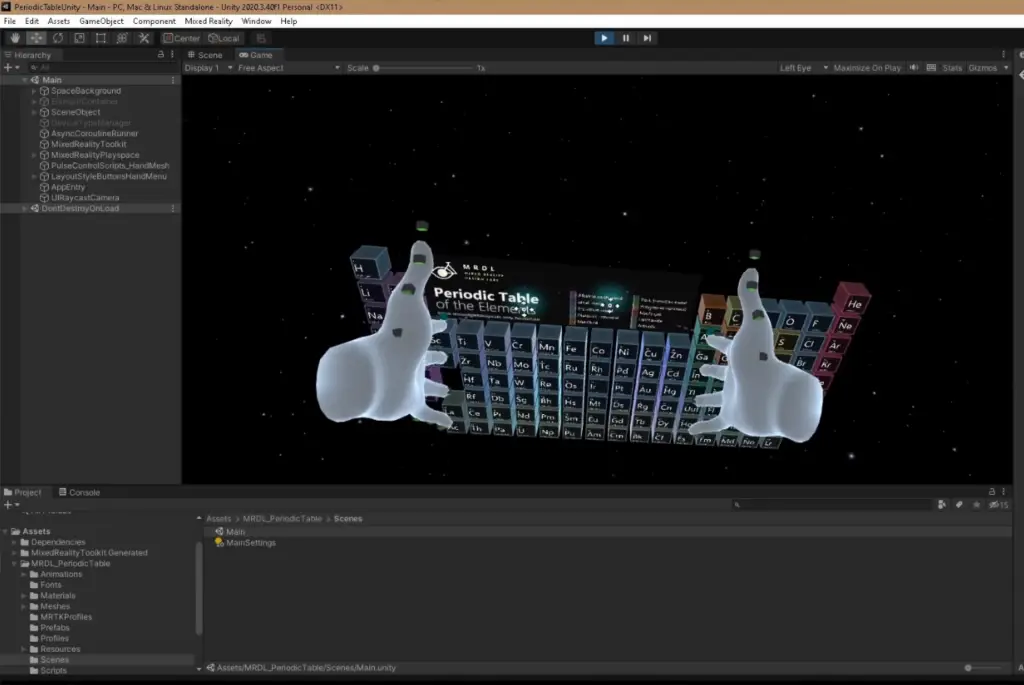
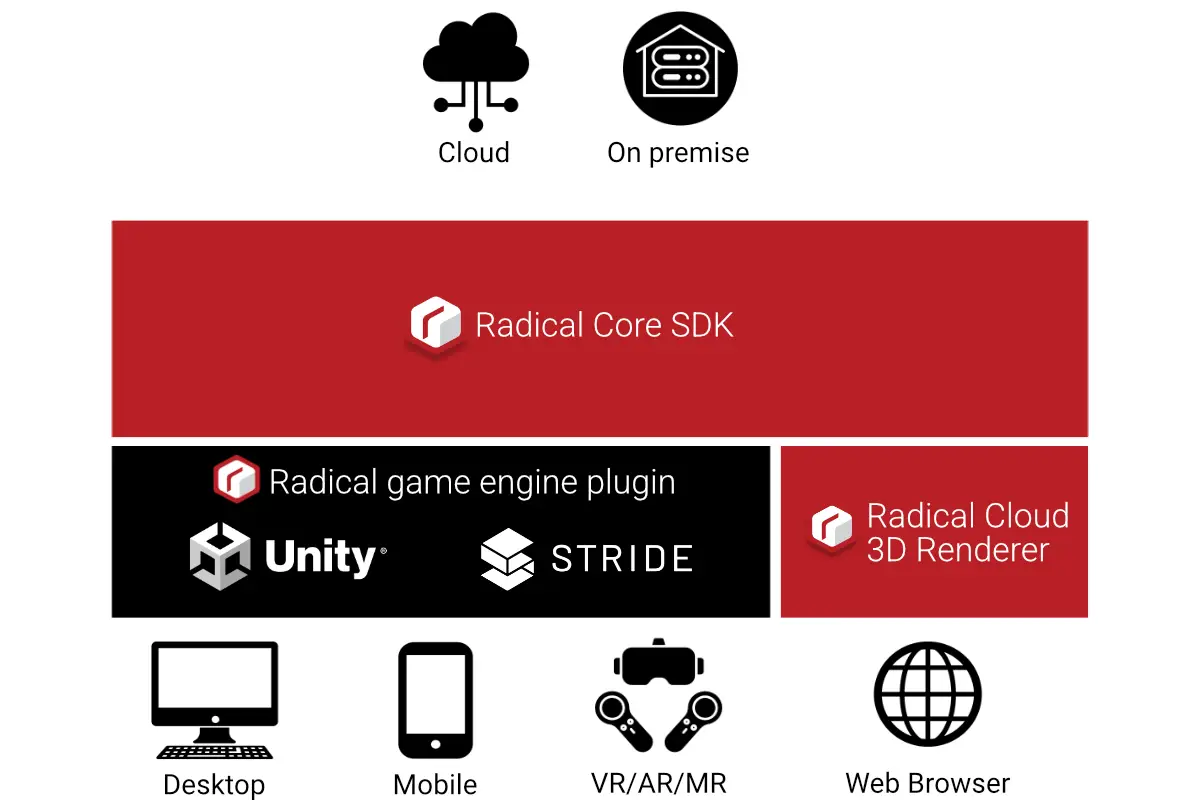
In addition, the SDK included plugins for game engines such as Unity (see image above) and Stride. This allowed developers with experience in gaming technology to deploy 3D real-time and/or immersive applications into austere collaborative environments. Unity + Radical was in heavy use for the virtual bird table wargaming product for the British Army, for example.
And finally, the SDK came with a native 3D renderer that was optimised for cloud-based rendering of heavy CAD 3D datasets. Developers could create streaming sessions where a USD model was uploaded and streamed via WebRTC to multiple web browser users who could collaborate in real-time, by interacting with the 3D data, despite the users being served secure pixel streams.